Latest in: Living Well.
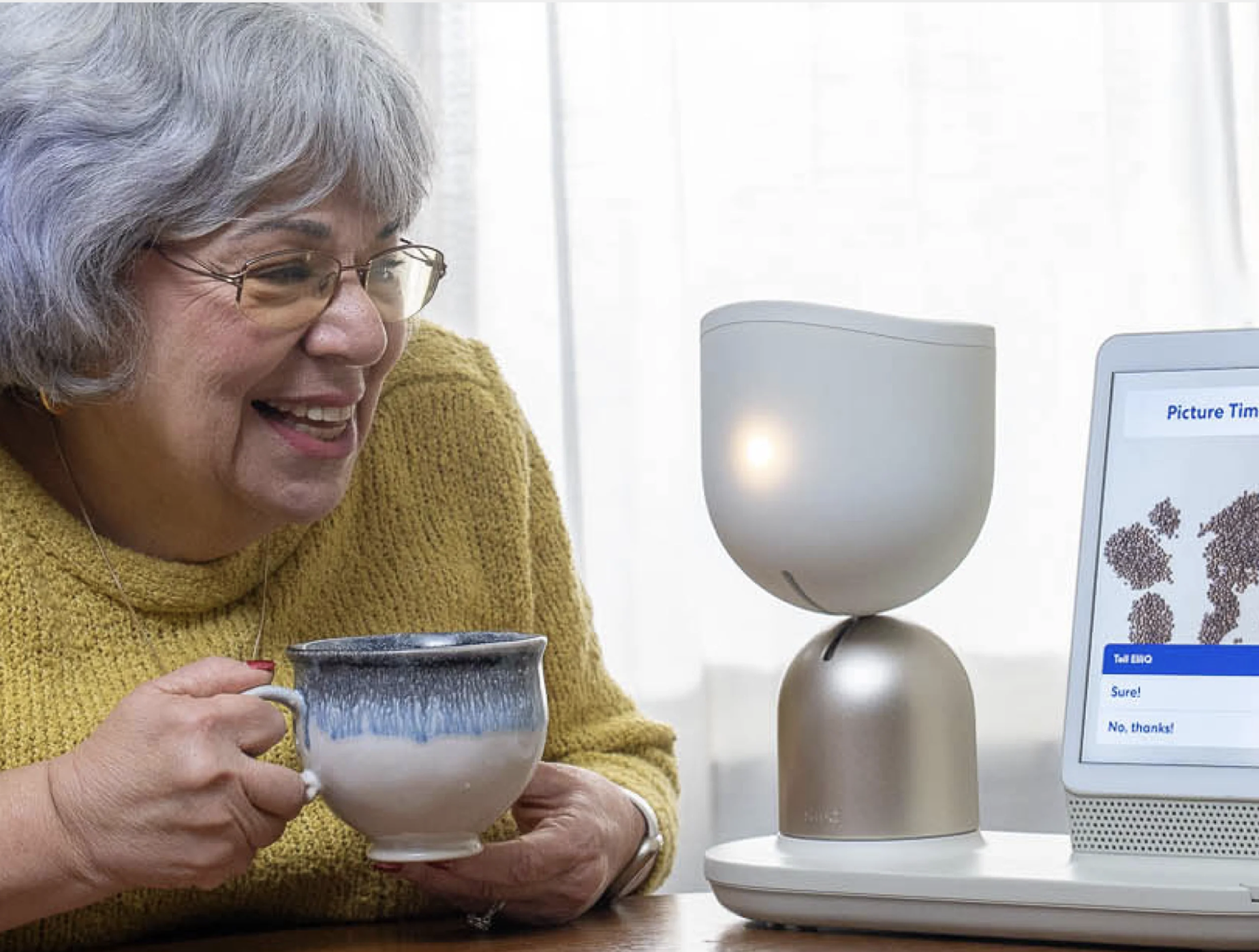
Artificial Intelligence is quietly revolutionizing dementia care. From early detection to personalized daily support, a wave of AI-powered dementia apps is shaping a smarter, more responsive future for people living with cognitive impairment - …
4 min read
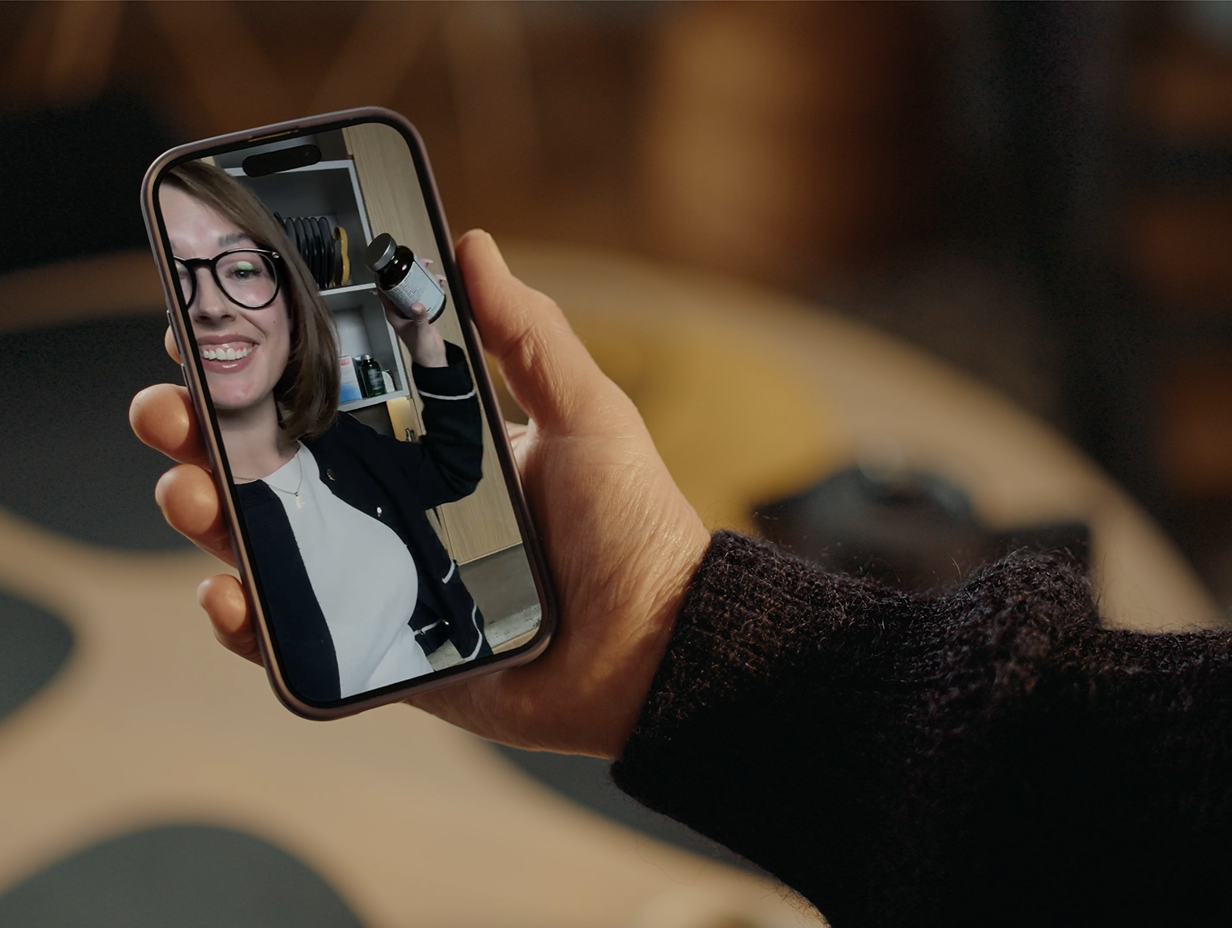
Not all reminders are created equal. For people living with dementia, a standard text-based notification might be confusing or easy to ignore. But what if that reminder came from a familiar voice - or …
4 min read

As the global population ages and rates of cognitive impairment continue to rise, technology is stepping up to support both individuals living with dementia and the families who care for them. Mobile apps are …
4 min read

As people age, their health needs may increase, but their right to participate in decisions about their care remains just as essential - if not more so. Involving older adults in their care planning …
4 min read

Staying hydrated is essential for healthy aging. For older adults, dehydration can lead to confusion, dizziness, constipation, urinary tract infections, and even hospitalisation. But remembering to drink water regularly isn’t always easy - especially …
3 min read

As the global population ages, so does the demand for accessible, intuitive tools that support wellness and independence. Today’s older adults are more tech-savvy than ever - using smartphones and tablets not just for …
3 min read

Today’s seniors are more connected, tech-savvy, and health-conscious than ever. Whether it’s video calling the grandkids, tracking medications, or getting help at the touch of a button, mobile apps are making life easier - …
3 min read

Dementia doesn’t just affect memory - it often impacts how a person speaks, listens, and understands. As the condition progresses, once-simple conversations can become confusing, frustrating, or even distressing for both the person with …
4 min read

Falls are one of the leading causes of injury and hospitalization among older adults - and often, they happen when no one is around to help. For seniors living alone or managing cognitive impairment, …
4 min read
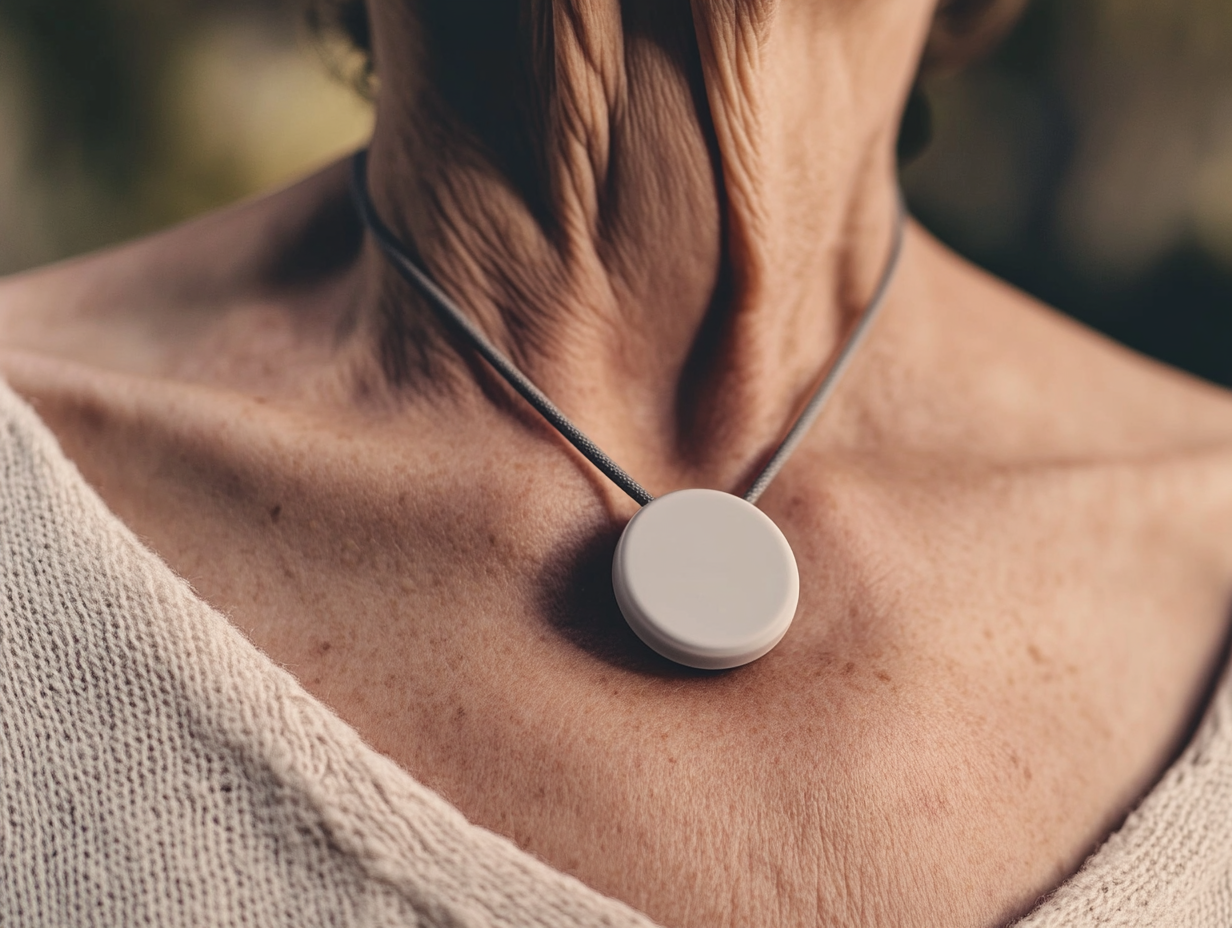
As we age - or as our loved ones do - safety becomes a greater priority. For seniors living alone or managing conditions like dementia, an unexpected fall, medical episode, or moment of disorientation …
4 min read
© Elli Cares LTD 2024
© elli organisation 2023