
Imagine forgetting how to get home from your favourite café, or missing a crucial medication dose because the days have started to blur.
For many people living with dementia, these challenges are part of everyday life.
But technology is quietly reshaping the way we respond and offering new ways to support independence for longer.
Real Impact and Measurable Results
Mobile technology has become increasingly popular over the last decade, and its applications continue to rapidly expand.
Thoughtfully designed mobile technology can be a useful aid for people living with dementia and their caregivers, supporting security, fluent communication, and overall improved quality of life.
Still, according to experts, mobile tech is "currently underutilized to support cognitive and memory problems, both by users and clinicians."
However, as the public demands higher standards of care and mobile applications get smarter, leveraging technology is no longer an oddity. In fact, many families and care providers across the world see it as the key to elevating care altogether.
👉 Further reading: A review of smartphone and tablet use by older adults with and without cognitive impairment
How Mobile Technology Can Help with Dementia
Dementia affects the lived experience of individuals, families, and even wider communities. For people affected by dementia, it can also make once-simple tasks like cooking, getting dressed, or navigating familiar streets difficult.
This is where digital tools can offer:
- Safe communication with family and caregivers
- Reminders for medication, appointments, or daily tasks
- Navigation help when someone feels lost or disoriented
- Emergency contact features for moments of panic or confusion
- Companionship through voice calls, AI chat, or video prompts
But not all technology is created equal. The best tools are simple, intuitive, and designed with user input.
Let's explore some great examples.
4 Mobile Tools That Support Independence
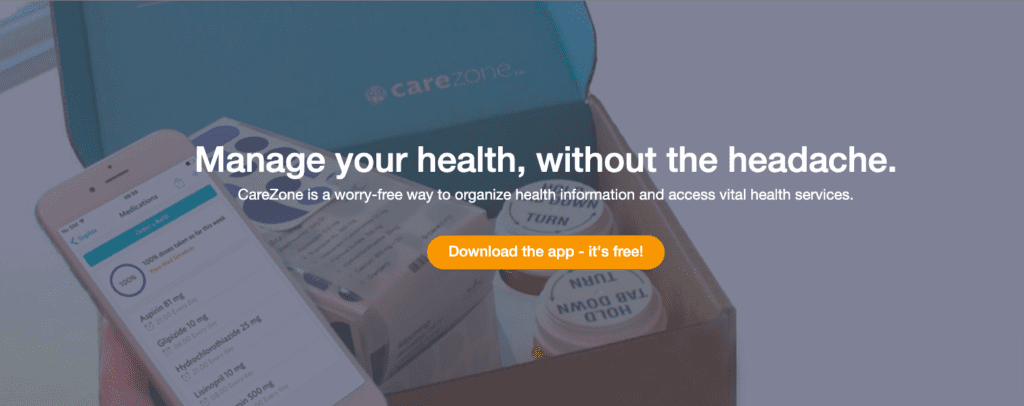
CareZone is an app that stores medication lists, sends reminders, and allows users to scan prescription labels. It’s ideal for managing complex medication routines.
Raz Memory Cell Phone is a mobile phone built specifically to help people with memory loss. It's simple and easy to use with emergency functions.
Alz Calls is an AI-powered chatbot that mimics familiar voices, like those of family members, to provide comfort and reassurance during moments of anxiety or disorientation.
Elli Cares is a comprehensive companion app that provides video reminders, real-time location tracking, and voice-assisted routines. Caregivers can check in remotely, ensuring their loved one is safe without being intrusive.
The Elli app offers easy-to-use features such as:
- Video reminders for medications, appointments, and daily routines
- A care team dashboard that keeps everyone connected and informed
- Safe Zones with GPS-based location tracking and the Find My Way Home function
- Safe Track, which monitors phone usage patterns and notifies family if something seems off
By combining simple technology with thoughtful design, Elli Cares helps seniors manage their day-to-day more confidently and empowers families to provide unobtrusive support, even from a distance.
👉 Learn how you can use Elli Cares to achieve your goals, take control of the day, and live well
Building Confidence Through Connection
The future of dementia care will be built around people by leveraging smart tools like Elli Cares that fit gently into our unique lives.
When people with dementia feel more confident navigating their day, they’re more likely to stay active and engaged, which can slow cognitive decline. At the same time, caregivers can enjoy greater peace of mind when they're apart and have a clearer picture of their loved one’s wellbeing.
Ready to explore what’s possible?
Download Elli Cares or explore more dementia-friendly tech options here.