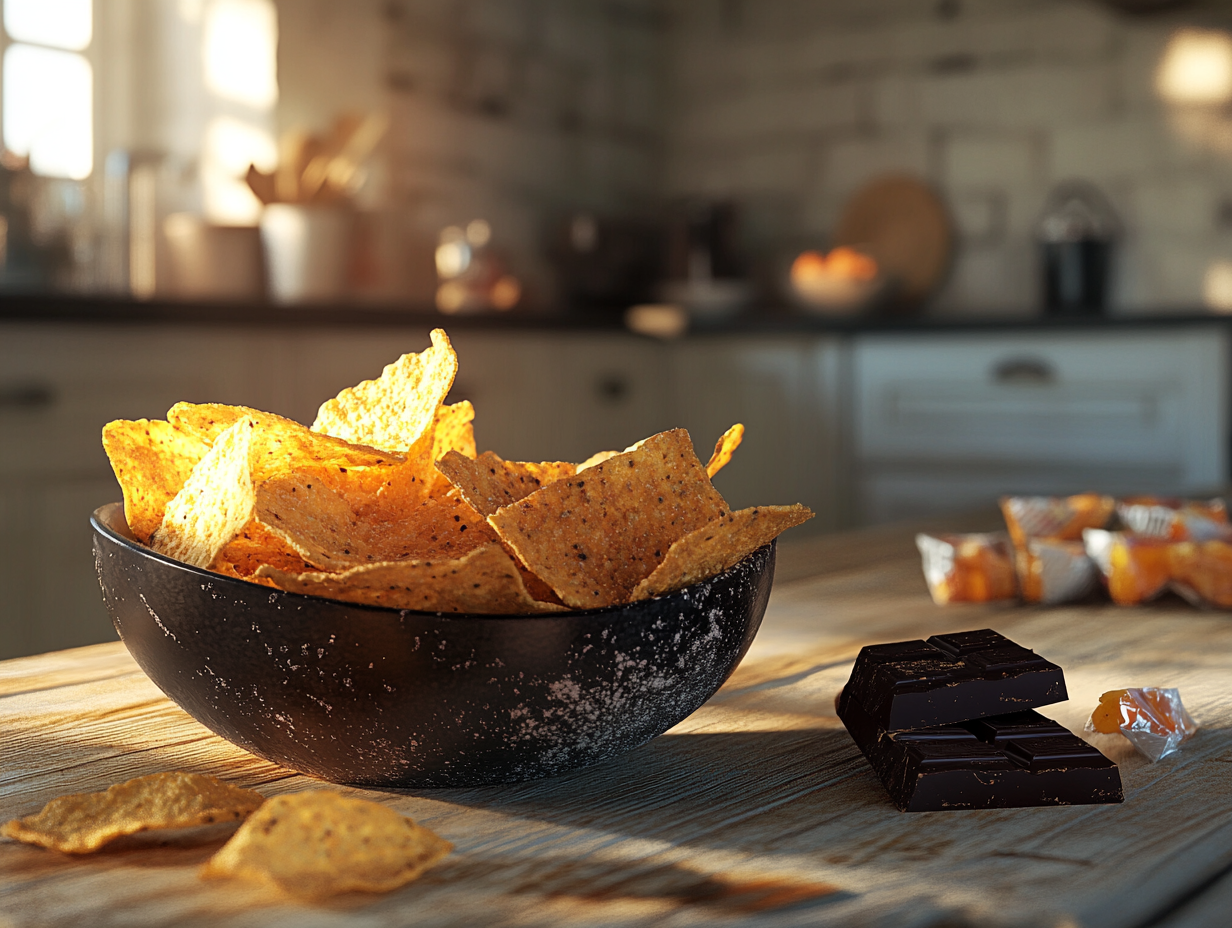
Do you find yourself reaching for salty snacks, chocolate, or toast, even after a meal? Food cravings are common at any age, but sometimes they stem from more than a habit. In fact, cravings can be your body's sign that you have a deficiency.
For older adults and people living with dementia or cognitive impairment, cravings may signal an underlying nutrient gap, dehydration, or sensory shift. Learning how to decode these signals can help you eat more intentionally and feel better in the process.
What Are Cravings, Really?
Cravings are different from hunger. They tend to be more urgent, specific, and emotionally driven. But that doesn’t mean they’re irrational.
Food cravings are sometimes your body’s attempt to find missing nutrients, balance blood sugar, or restore fluid levels. This is especially important in later life, when appetite cues can become less reliable and nutrient needs change.
👉 Learn why experiencing a loss of appetite happens to many older adults in this article from UCLA Health
1. Craving Red Meat or Ice? You Might Be Low In Iron
Iron deficiency - and the cravings that come along with it, has been reasonably well studied. If you're consistently drawn to red meat, or oddly enough, chewing ice, it may be a signal that your body is low in this element.
- Why it matters: Iron supports oxygen delivery to muscles and the brain. Low levels can cause fatigue, brain fog, and shortness of breath.
- Who’s at risk: Older adults, especially women, vegetarians, or those with chronic inflammation or internal bleeding.
Other symptoms include pale skin and chest pain. If you suspect iron deficiency (anaemia), book in a simple blood test with your GP.
Sources of iron include red meat, dark leafy vegetables, and legumes. You can enhance iron absorption by pairing it with Vitamin C found in fresh fruit.
👉 Curious about the other signs? See the Mayo Clinic's guide on iron deficiency
2. Can’t Stop Thinking About Chocolate? Consider Magnesium
Eating chocolate can trigger 'feel-good' chemicals in the brain, but cravings aren't always driven by emotions. Magnesium could be part of the story. This mineral is involved in mood, blood sugar control, muscle function, and sleep.
- Signs of low magnesium: irritability, poor sleep, restless legs, and muscle cramps.
- Dark chocolate naturally contains magnesium, which may be why it tops many craving lists.
A Note On Eating Chocolate:
If you enjoy chocolate, opt for varieties with lower added sugar content. But beware: the darker the chocolate, the more caffeine it contains - sometimes nearly as much as a coffee.
There's no need to rely on chocolate as a sole source of magnesium. This compound is also found in a range of other foods, such as leafy greens, avocados, nuts, grains, and legumes.
👉 Try this: Pumpkin seeds are high in magnesium. Add a sprinkle to salads and check out more delicious, healthy meal ideas for seniors here.
3. Craving Salty Foods? Your Body May Want Sodium (or Better Hydration)
As we age, our body finds it more difficult to manage salt (sodium) intake. Striking a healthy balance is critical.
Too much salt can cause problems like high blood pressure, kidney problems, cognitive decline, and dehydration. However, it's also important not to completely deprive your body of salt.
Salt cravings in later life may reflect:
- Low sodium levels (hyponatremia), which can occur due to certain medications or fluid imbalances.
- Mild dehydration, especially in hot weather or if you forget to drink.
Maintaining a healthy balance between sodium and potassium levels is also a common challenge in older age. For an easy way to include fluids and electrolytes in your diet, consider eating delicious vegetable soups or broths.
A note for caregivers: Thirst and hunger can be confused in people with dementia. Routine hydration helps reduce unnecessary snacking.
👉 Related reading: Why Hydration Matters More As We Age
4. Constant Snacking? Look At Your Protein Intake
Do you reaching for snacks throughout the day even though you eat consistent, filling meals?
Protein is essential for building muscles and helps us regulate our hunger. Eating protein is especially important for older adults, who often need extra help to maintain their muscles and mobility.
Signs of a protein deficiency include:
- Constant grazing
- Slow wound healing
- Loss of muscle mass and strength
High protein sources include many animal and plant-based foods, including meat, eggs, cheese, soy products, green vegetables, along with nuts and legumes.
5. Sugar Cravings After Meals? Watch Your Blood Sugar
Craving sweets right after eating may be linked to blood sugar spikes and dips. Simple carbohydrates (like white potatoes, bread, sweets, and pasta) can create a short-lived energy boost, followed by a crash that leaves you wanting more.
Try this instead:
- Control sugar spikes better by including protein, fibre, and healthy fats to meals (e.g., oats with peanut butter).
- Instead dessert, opt for a piece of fresh fruit (which is higher in fibre).
- Stay active after meals with light movement, like a walk or stretching.
💡 Did you know that stress can also lead to unhealthy blood sugar spikes?
That’s why it’s important to adopt lifestyles that include physical movement (which help use up circulating blood sugar) and support relaxation. You can learn how to build routines that reduce stress here.
❗Note: If you have diabetes, you will need to carefully consider your food choices. Monitor your blood sugar levels (and insulin) and regularly check-in with your GP for diet guidance.
What To Do When Cravings Suddenly Change
New or unusual cravings can sometimes signal:
- Medication side effects
- Cognitive decline or sensory changes
- Underlying conditions like diabetes or anaemia (and other deficiencies)
If you notice a pattern like thinking about a food item obsessively, or avoiding entire food groups, it may be worth raising with a GP or dietitian.
What Is Your Body Telling You?
In summary, cravings aren’t always habits or indulgences. In later life, they can be meaningful signals from the body pointing to missing nutrients, disrupted routines, or even unmet emotional needs.
By tuning in with curiosity, not judgment, you can make small changes that support better health, steadier energy, and more enriching meals.
And remember: healthy eating doesn't have to mean restriction. Often, it’s about what you add or replace, not what you take away.
👉 Want to feel safer and more comfortable at home? Don't miss: How to Make Your Home Safe for Aging in Place