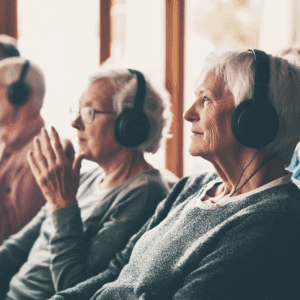
Aging is inevitable, but how we progress into later life isn’t set in stone. Thanks to medical advances, technology, and deeper understanding of human health, we have more opportunities than ever to thrive well into our older years.
Still, myths about aging still linger.
In this blog, we’ll separate fact from fiction. Let’s set the record straight and debunk some of the most common myths about aging in the 21st century.
Myth 1: Memory Loss Is Guaranteed
One of the most widespread myths about aging is that forgetfulness is a guaranteed part of getting older. While some mild changes in memory may occur, they’re usually manageable and far from the severe cognitive decline people fear.
What Research Shows:
Neuroplasticity, the brain’s ability to adapt and reorganise, continues well into later life.
Regular mental exercise, physical movement, and social activity all support cognitive function. Dementia is not a natural part of aging, and many older adults maintain sharp minds throughout their lives.
Taking Action:
Incorporate brain-stimulating activities like learning a new skill, playing music, or solving puzzles.
A 2023 review in Gerontology and Geriatrics found that participating in mentally stimulating activities typically increases brain function and memory.
👉 See: Can Brain Games Really Help With Memory Loss?
Myth 2: It’s Safer To Avoid Exercise Past 60
Slowing down doesn’t have to mean sitting still. While recovery may take a bit longer with age, the idea that people over 60 should avoid physical activity is outdated.
What Experts Know:
Regular movement strengthens the immune system, reduces the risk of chronic illness, and helps preserve mobility.
The World Health Organization recommends at least 150 minutes of moderate-intensity physical activity per week for adults over 65.
Taking Action:
Try a mix of strength, balance, and flexibility activities.
Ideas:
- Brisk walking
- Tai chi
- Chair yoga
- Golf
- Lawn bowls
- Aqua aerobics
- Stretches at home using resistance bands
The key?
Find an enjoyable activity that fits into your routine. Many communities offer senior-focused fitness classes either in person or online.
👉 Improve strength with: Simple Muscle-Building Exercises for Older Adults
Myth 3: Older Adults Can’t Learn New Technology
Tech might feel overwhelming at first, but it’s certainly not out of reach. In fact, more older adults are embracing digital tools than ever before.
What Research Shows:
Tech use among adults over 65 has risen dramatically. A Pew Research Center survey from 2021 found:
- More than 75% of older adults use the internet regularly
- Over half own a smartphone
What matters is usability, not age. Interfaces that are intuitive, customisable, and accessible make all the difference.
Taking Action:
Start with apps or tools that are useful and easy to navigate like medication reminders, telehealth portals, or brain games. Features like large text, a stylus, and voice commands make things easier.
👉 Become tech-aware: Best Reminder Apps to Promote Independence
Myth 4: Loneliness Is Just Part of Growing Older
It's true that in older age, we may experience changes to our social circle and circumstances, like lack of mobility, which make it harder to connect with others. But loneliness is not a normal part of aging, and it can be avoided.
What Research Shows:
Research indicates that social connection is one of the strongest predictors of long-term health. Older adults with strong social ties are less likely to experience cognitive decline, depression, or heart disease.
Where does connection come from?
It could be family, friends, neighbours, social clubs, or even online communities.
Taking Action:
Schedule regular calls or meetups with friends and family. Join a club, volunteer, or try out a new group activity.
Even a short daily chat can improve emotional wellbeing. Smart tools like the Elli Cares app help families and caregivers stay connected, even across long distances.
👉 Dig deeper: The Health Benefits of Social Connection
Myth 5: It’s Too Late to Improve Your Health
Some believe that if they haven’t maintained a healthy lifestyle for decades, there’s no point starting now. That belief is not only untrue: it can also hold people back from meaningful change.
What Research Shows:
It’s never too late to benefit from positive lifestyle changes. Quitting smoking, improving your diet, moving more, or managing stress — even after 70 — can lead to measurable improvements in physical and mental health.
Older adults often show significant improvements, even when changes begin later in life.
Taking Action:
Start small. Add more vegetables to one meal a day, take a short walk after lunch, or try a new hobby that gets you moving. Keep track of your progress and celebrate every small victory.
👉 Read next: Foods That May Help Prevent Cognitive Decline
Aging Well Means Rethinking What’s Possible
Aging isn't a decline, it's a transition. And with the right support and mindset, it can be a chapter full of growth and purpose.
By challenging common aging myths, we can open the door to greater awareness and the power to make healthier, informed choices. The science is clear: older adults are capable of much more than stereotypes suggest.
Whether it’s strengthening your body, building new relationships, or assistive technology, it’s never too late to live better.
🧠 Stay curious. Stay connected. Stay capable.
👉 Begin your journey to better health today by visiting: www.elliapp.co